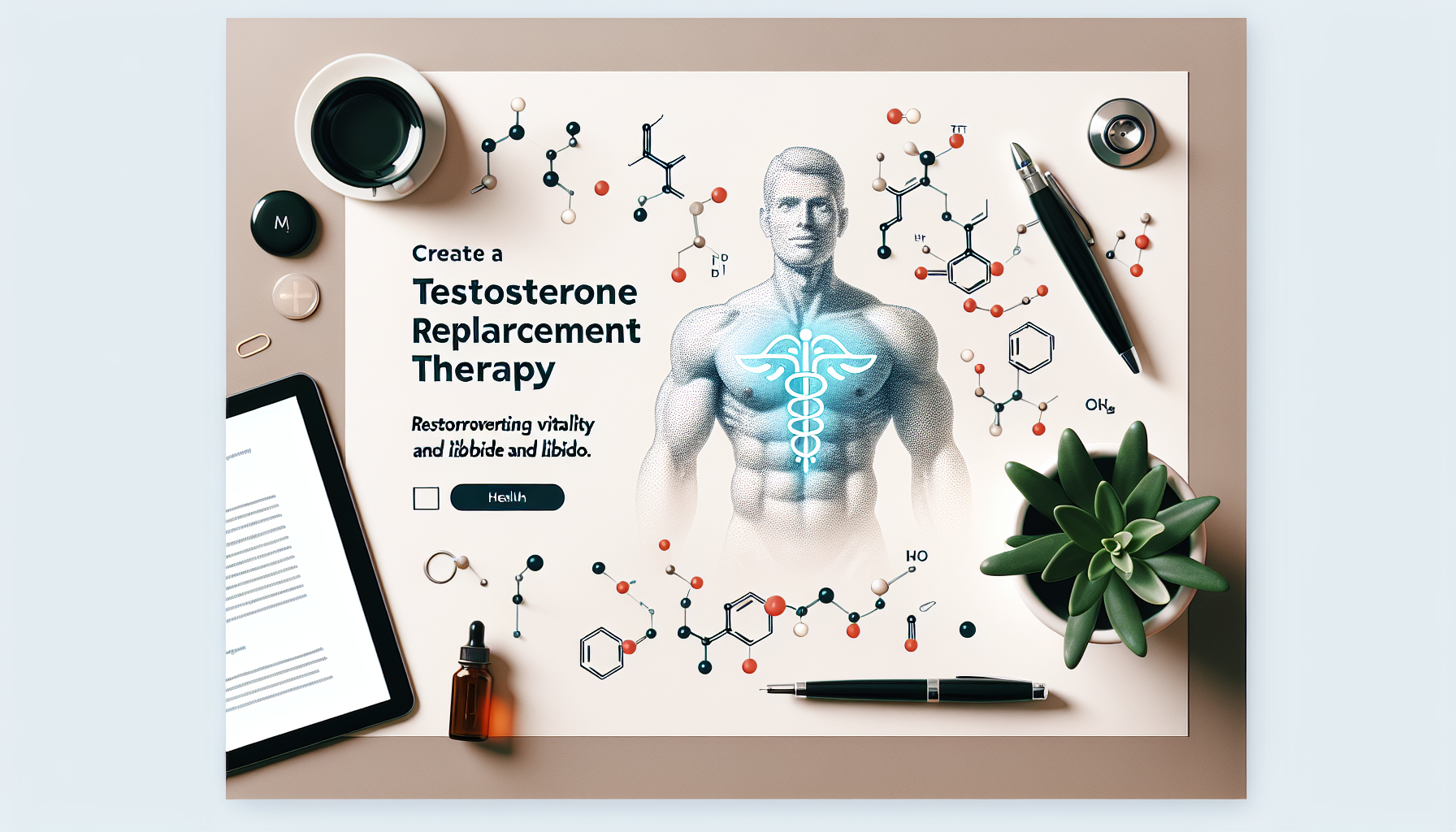
Many men in California and beyond feel the slow decline of energy, libido, and muscle mass and do not know where to start. Low testosterone can cause erectile dysfunction, low sex drive, fatigue, weight gain, and mood changes. Recognizing patterns and getting targeted testing makes treatment effective and predictable.
This guide explains step-by-step how to evaluate symptoms, interpret key labs, compare common TRT protocols, and incorporate HCG and natural strategies for better outcomes. It also covers safety monitoring and what to expect during the patient journey when working with a licensed clinician.
Recognizing Low Testosterone: Symptoms and Red Flags
Start with a symptom inventory. Common signs include low libido, reduced morning erections, persistent fatigue, difficulty building muscle, and increased body fat. Mood shifts such as irritability or low motivation are also typical.
Red flags that need urgent evaluation include sudden erectile dysfunction, unexplained breast enlargement, or new urinary problems. If you have prostate cancer or symptoms suggesting it, do not begin hormone therapy without specialist input.
Essential Lab Tests and How to Read Them
Accurate diagnosis depends on the right labs and timing. Testosterone follows a daily rhythm, so measure in the early morning when possible.
- Total testosterone – primary screening value. Levels under 300 ng/dL often correlate with symptoms, though individual thresholds vary.
- Free testosterone – helpful when SHBG is abnormal or symptoms do not match total testosterone.
- SHBG, LH, and FSH – clarify primary versus secondary hypogonadism.
- Estradiol – elevated values can cause symptoms and require management.
- PSA and hematocrit – baseline and monitoring for safety.
For example, a 48-year-old man with fatigue and low libido who has total testosterone 260 ng/dL and low-normal LH is likely to have secondary hypogonadism and respond to TRT combined with lifestyle modification.
Choosing a TRT Protocol: Injections, Gels, Pellets
There is no single best protocol. Choice depends on lifestyle, cost, tolerance, and monitoring preferences.
Testosterone injections
Intramuscular injections are the most widely used method. Typical regimens include testosterone cypionate or enanthate 50-200 mg every 7-14 days, or low-dose injections of 25-50 mg every 2-3 days to reduce peaks and troughs. Injections provide predictable blood levels and are cost-effective.
Topical gels and creams
Gels such as 1% testosterone applied daily give steady dosing and avoid injections. They require caution around skin-to-skin transfer and consistent daily application. Gels may be preferred by men who want steady levels and simple administration.
Pellets and nasal gels
Pellets are implanted under the skin and release hormone slowly for 3-6 months. Nasal gels provide multiple daily doses with minimal systemic waste but need strict adherence. Discuss pros and cons with your clinician before choosing.
HCG Therapy: When and Why to Use It
Human chorionic gonadotropin, or HCG, mimics LH and stimulates the testes to maintain intratesticular testosterone and sperm production. It is often used with TRT when fertility preservation is important.
Common practical regimens include HCG 500-1500 IU two to three times per week alongside testosterone. For men actively trying to conceive, HCG can be combined with selective agents like clomiphene citrate per specialist guidance.
Monitoring Plan: Safety and Optimization
Establish a clear monitoring plan at therapy start. Typical follow-up schedule includes labs at 4-8 weeks after initiation or dose change, then every 3-6 months once stable.
- Check total testosterone, free testosterone or calculated free, estradiol, hematocrit, and PSA.
- Maintain hematocrit below 54 percent to reduce cardiovascular risk; therapeutic phlebotomy may be needed if elevated.
- Adjust dose if estradiol is high or symptoms persist despite therapeutic testosterone levels.
For example, a man who starts 100 mg injection every 7 days should repeat labs at 4 weeks to confirm levels are within the target range and to review hematocrit.
Natural Strategies to Support Testosterone
Combine medical therapy with lifestyle changes to maximize results. Several interventions reliably support natural testosterone or improve response to TRT.
- Weight management – Losing 7-10 percent of body weight can raise testosterone by 10-20 percent in many men.
- Resistance training – Heavy compound lifts 3 times per week boost muscle and improve insulin sensitivity.
- Sleep – Aim for 7-9 hours nightly; poor sleep lowers testosterone significantly.
- Protein and micronutrients – Ensure adequate protein, vitamin D, magnesium, and zinc.
- Limit alcohol and smoking; both lower testosterone and harm cardiovascular health.
These measures are especially important when men want to minimize TRT dose or optimize fertility outcomes with concurrent HCG.
Common Side Effects and How to Manage Them
Most side effects are manageable with dose adjustments or additional medications. Common issues include increased hematocrit, elevated estradiol, acne, and fluid retention.
- High hematocrit: reduce dose, increase injection frequency, or consider therapeutic phlebotomy.
- Elevated estradiol: consider lowering dose or adding an aromatase inhibitor temporarily under supervision.
- Fertility concerns: add HCG or consider selective estrogen receptor modulators when trying to preserve or restore sperm production.
Work closely with your provider to tailor a plan based on labs and symptoms rather than guessing adjustments on your own.
Patient Journey: What to Expect During Treatment
Expect gradual improvement. Many men notice increased libido and energy within 2-6 weeks, while muscle mass and fat redistribution take 3-6 months. Sexual function may improve earlier, but full benefits often need consistent therapy and lifestyle changes.
Document symptoms with a simple weekly diary and track weight, body composition, and strength to demonstrate progress. If progress stalls after 3 months, revisit labs and consider dose adjustment or adding HCG.
Finding a Provider in California and Telehealth Options
California has many experienced TRT clinics and endocrinologists. Look for clinics that perform comprehensive testing, provide personalized protocols, and offer transparent pricing for labs and medications.
Telehealth services can handle initial evaluations and follow-up for stable patients, but require local lab access for blood work. Confirm that the telehealth clinician is licensed in your state and coordinates lab draws and imaging when needed.
Practical Example: Case Scenario
Case: Miguel, 52, presents with low libido, fatigue, and difficulty regaining muscle after consistent training. Initial labs: total testosterone 280 ng/dL, free testosterone low, LH low-normal, hematocrit 44 percent.
Plan: Start a testosterone injection of 75 mg every 7 days with HCG 1000 IU twice per week to preserve testicular function. Recheck labs at 6 weeks and 12 weeks. Add a structured resistance program and nutrition plan to support gains. Adjust dose based on symptoms and testosterone trough values.
When to Seek Urgent Care
Seek immediate medical attention for sudden severe chest pain, shortness of breath, or markedly increased leg swelling. Also contact your clinician for rapid evaluation if you develop significant breast enlargement or rapid rise in hematocrit.
Frequently Asked Questions
How quickly does TRT improve libido?
Many men report increased libido within 2-6 weeks of starting TRT, though individual response varies. Full sexual function improvement can take 3 months or longer and often requires optimization of dose and monitoring of estradiol.
Will TRT affect my fertility?
Yes, standard TRT can suppress sperm production by lowering intratesticular testosterone. If you want to preserve fertility, discuss adding HCG or alternative treatments like clomiphene with a specialist before starting therapy.
What are the most important labs to monitor on TRT?
Essential labs include total and free testosterone, estradiol, hematocrit, and PSA. LH and FSH help determine the cause of low testosterone. Check labs at 4-8 weeks after changes and every 3-6 months when stable.
Can lifestyle changes replace TRT?
Lifestyle improvements such as weight loss, resistance training, sleep optimization, and addressing insulin resistance can raise testosterone and improve symptoms, but they may not fully correct significant hypogonadism. Combine lifestyle interventions with medical therapy when needed.
Is TRT safe for older men?
TRT can be safe when monitored carefully, even in older men, but it requires baseline screening for prostate health, cardiovascular risk assessment, and regular monitoring of hematocrit. Work with a clinician experienced in treating older patients.
How is HCG used with TRT?
HCG is used to mimic LH and stimulate the testes, preserving sperm production and testicular size. Typical protocols use 500-1500 IU two to three times weekly alongside TRT, adjusted based on goals and labs.
Conclusion
Restoring libido and energy with TRT requires accurate diagnosis, appropriate lab monitoring, and a personalized protocol that may include HCG. Combine therapy with targeted lifestyle changes for best results. If you suspect low testosterone, document your symptoms, obtain morning labs, and consult a licensed clinician to build a safe, monitored plan tailored to your goals.
Disclaimer
This blog is for informational and educational purposes only and does not constitute medical advice, diagnosis, or treatment. The content provided is based on general health information and research available as of the publication date. Individual health conditions vary, and what works for one person may not be appropriate for another.
Always consult with a qualified healthcare provider before starting any new treatment, including testosterone replacement therapy (TRT), making changes to existing treatments, or if you have questions about your specific health condition. Never disregard professional medical advice or delay seeking it because of information you read on this blog.
If you are experiencing a medical emergency, call 911 or your local emergency services immediately. The information on this website does not create a doctor-patient relationship and should not be used as a substitute for professional medical advice, diagnosis, or treatment.