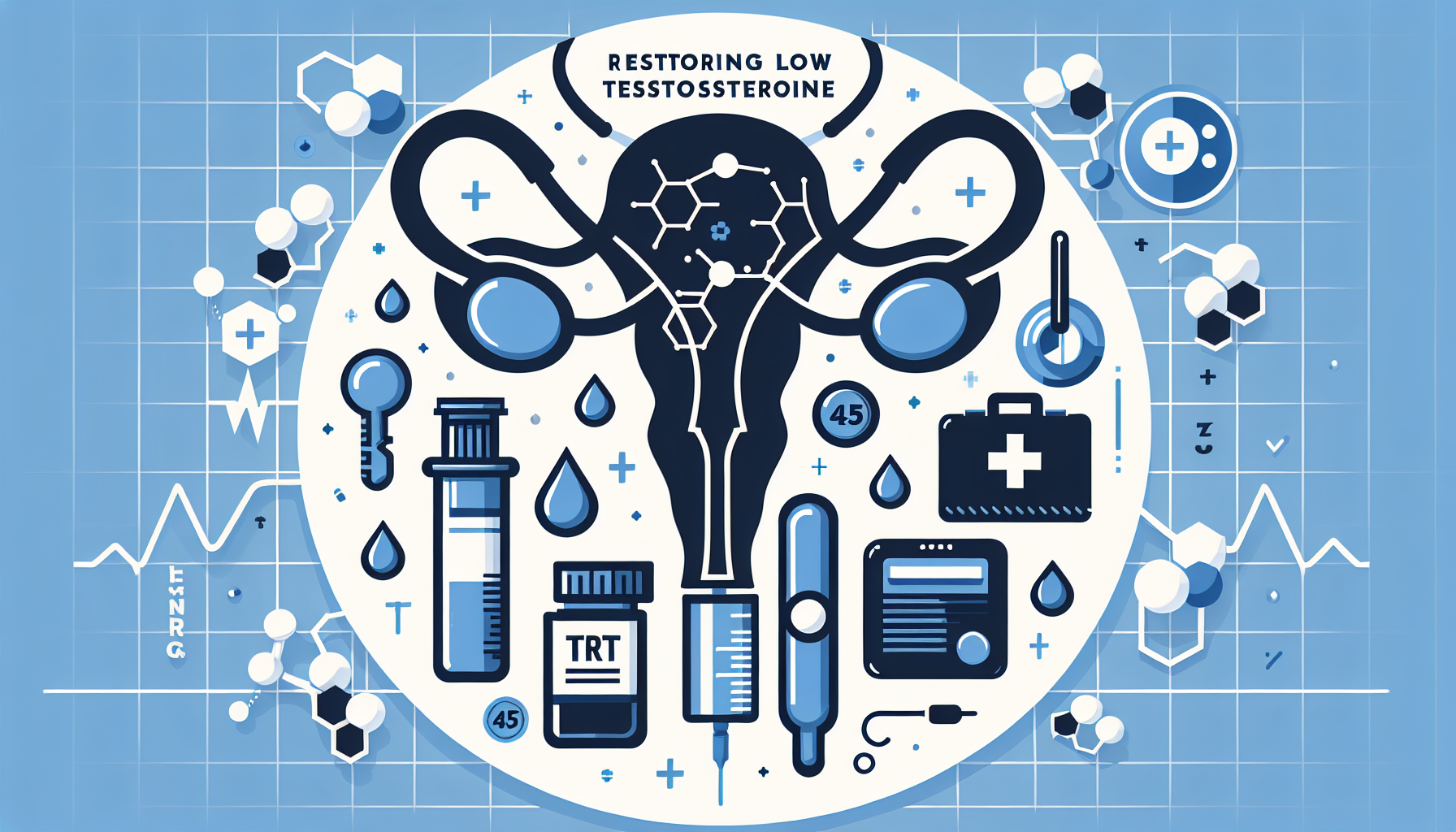
Many men over 45 notice changes in energy, libido, and body composition that signal falling testosterone. These symptoms are common, but they are not inevitable or untreatable. Understanding how to evaluate and treat low testosterone helps you make safe, effective choices that restore function and quality of life.
This guide explains symptom recognition, diagnostic labs, evidence-based testosterone replacement therapy protocols, the role of HCG, monitoring and safety, and practical lifestyle steps you can start today. Where relevant, I include California-focused care options like in-person clinics and telemedicine to help you find the right provider.
Recognize the common symptoms
Low testosterone can present subtly at first. Pay attention to persistent patterns rather than occasional fatigue or mood dips. Common signs include erectile dysfunction, reduced libido, chronic fatigue, increased body fat, decreased muscle mass, and mood changes like irritability or low motivation.
Use self-assessment to prioritize medical evaluation: track sleep, energy, sexual function, and training progress for 4-6 weeks. Bring this record to your provider to illustrate the pattern and severity of symptoms.
Get properly diagnosed: labs and timing
Diagnosis requires both symptoms and biochemical confirmation. Labs should be drawn in the morning, ideally between 7 AM and 10 AM, when testosterone peaks. Two separate low readings on different days confirm the condition in most cases.
Essential baseline tests:
- Total testosterone (morning sample)
- Free testosterone or calculated free testosterone
- LH and FSH to evaluate pituitary function
- Prolactin if sexual dysfunction or low libido is severe
- Hematocrit and hemoglobin for baseline red cell status
- PSA in men over 40 or with prostate symptoms
- Basic metabolic panel, lipid panel, and liver enzymes
In California, many clinics and labs offer early morning draw options and rapid telehealth reviews. If you have borderline results, consider repeating tests after correcting sleep, stress, or acute illness that can suppress testosterone transiently.
Treatment options and typical TRT protocols
Treatment choices range from lifestyle modification to prescription testosterone. The most common and well-studied option is testosterone replacement therapy, available as injections, gels, pellets, and nasal formulations. Choice depends on goals, cost, convenience, and fertility considerations.
Typical injectable protocols
Injectable testosterone provides predictable dosing and cost efficiency. Common regimens include:
- Testosterone cypionate or enanthate 50-100 mg twice weekly, or 100-200 mg weekly split into two injections.
- Start low and titrate based on symptoms and trough testosterone measurements.
Target total testosterone is often 400-700 ng/dL, individualized by symptom relief and safety labs. Maintain consistent timing for blood draws relative to injection to interpret levels accurately.
Topical and nasal options
Gels and creams offer daily steady absorption, useful for men who prefer to avoid injections. Nasal testosterone requires multiple daily doses but minimizes transfer risk to partners and children. Monitor absorption and adjust dose if testosterone remains low.
HCG therapy and fertility preservation
Human chorionic gonadotropin or HCG mimics LH and helps preserve intratesticular testosterone and sperm production. HCG is commonly used when fertility is a concern or in combination with TRT to reduce testicular shrinkage.
- Typical HCG dosing: 250-500 IU two to three times weekly.
- HCG alone can stimulate testosterone in men with secondary hypogonadism, but it may be combined with TRT for better symptom control and fertility protection.
SERM and aromatase inhibitor options
Selective estrogen receptor modulators like clomiphene citrate can increase endogenous testosterone while preserving fertility. Aromatase inhibitors are used selectively to manage elevated estrogen. These are specialist-prescribed and require close endocrine monitoring.
Monitoring and safety during TRT
Once on therapy, schedule routine labs to ensure safety and effectiveness. Early monitoring prevents complications and allows dose adjustments.
Recommended follow-up schedule:
- Measure testosterone, hematocrit, and PSA at 3 months, then every 6-12 months once stable.
- Check estradiol if symptoms of high estrogen appear, such as gynecomastia or fluid retention.
- Monitor blood pressure, sleep apnea symptoms, and mood changes.
Watch for potential adverse effects: erythrocytosis, worsened sleep apnea, acne, mood swings, and changes in cholesterol. If hematocrit rises above 54 percent, reduce dose or consider phlebotomy after clinician evaluation.
Practical, evidence-based natural strategies
While medical therapy is highly effective, lifestyle changes improve baseline testosterone and enhance TRT results. These adjustments are actionable and low risk.
- Optimize sleep – Aim for 7-9 hours nightly, maintain consistent sleep-wake times, and treat sleep apnea if present.
- Improve body composition – Combine resistance training with protein intake and a modest-calorie deficit to reduce visceral fat and support testosterone.
- Nutrition and micronutrients – Ensure adequate vitamin D, zinc, and magnesium. A simple vitamin D test can guide supplementation.
- Reduce alcohol and smoking – Both negatively impact testosterone and recovery.
- Manage stress – Chronic high cortisol suppresses testosterone. Use daily stress-reduction routines, such as brief meditation, walking, or structured breathing.
These steps are beneficial whether you choose TRT or pursue a conservative approach first.
Choosing a provider in California
Selecting the right clinician matters. Look for providers with experience in men’s hormone health, clear monitoring protocols, and a willingness to discuss fertility-preserving options.
Questions to ask potential clinics or telemedicine services:
- What specific labs do you run before starting TRT?
- How often will you follow up and adjust dose?
- Do you offer HCG or fertility-sparing protocols?
- Can you coordinate care with my primary care doctor or urologist?
California offers many accredited endocrine and men’s health clinics. Telehealth services can expedite initial evaluation and lab ordering, while in-person clinics are useful for injection training and complex cases.
Realistic timelines and expectations
Symptom improvement timing varies. Libido and energy may begin to improve within 2-4 weeks, while changes in muscle mass and fat distribution often require 3-6 months plus regular resistance training. Patience and consistent monitoring yield the best outcomes.
If you see no improvement after optimized dosing and adequate time, reassess for other causes such as thyroid disease, depression, or medication effects.
Frequently Asked Questions
What tests confirm low testosterone?
Morning total testosterone measured on two separate days confirms low levels. Add free testosterone, LH, FSH, hematocrit, PSA, and basic metabolic labs for a complete assessment.
How long until I notice benefits from TRT?
Many men notice libido and energy improvements in 2-4 weeks. Muscle mass and fat changes typically take 3-6 months when combined with strength training and nutrition.
Will TRT make me infertile?
Standard TRT can reduce sperm production and testicular size because it suppresses LH and FSH. Using HCG or selective agents like clomiphene can preserve or restore fertility while treating symptoms.
Is HCG necessary when I start TRT?
HCG is not required for every man, but it is recommended if fertility is a goal. HCG helps maintain testicular function and sperm production when exogenous testosterone is used.
How is safety monitored on TRT?
Clinicians monitor testosterone levels, hematocrit, PSA, liver enzymes, and lipids. Regular follow-up checks help detect erythrocytosis, prostate issues, and other side effects early.
Can lifestyle changes restore testosterone without medical therapy?
Lifestyle modifications can raise testosterone modestly, especially when weight loss, sleep improvements, and resistance training are combined. Men with significant biochemical hypogonadism often need TRT for full symptom resolution.
Conclusion
Restoring testosterone after 45 is achievable with a clear plan: accurate diagnosis, personalized therapy, appropriate use of HCG when fertility is important, careful monitoring, and lifestyle interventions. Start by tracking symptoms and getting morning labs, then consult a qualified clinician who will discuss options and monitoring.
If you live in California, consider clinics that offer both in-person care and telemedicine for flexible scheduling. Early, evidence-based treatment can restore energy, sexual function, and body composition, helping you regain confidence and daily performance.
Disclaimer
This blog is for informational and educational purposes only and does not constitute medical advice, diagnosis, or treatment. The content provided is based on general health information and research available as of the publication date. Individual health conditions vary, and what works for one person may not be appropriate for another.
Always consult with a qualified healthcare provider before starting any new treatment, including testosterone replacement therapy (TRT), making changes to existing treatments, or if you have questions about your specific health condition. Never disregard professional medical advice or delay seeking it because of information you read on this blog.
If you are experiencing a medical emergency, call 911 or your local emergency services immediately. The information on this website does not create a doctor-patient relationship and should not be used as a substitute for professional medical advice, diagnosis, or treatment.