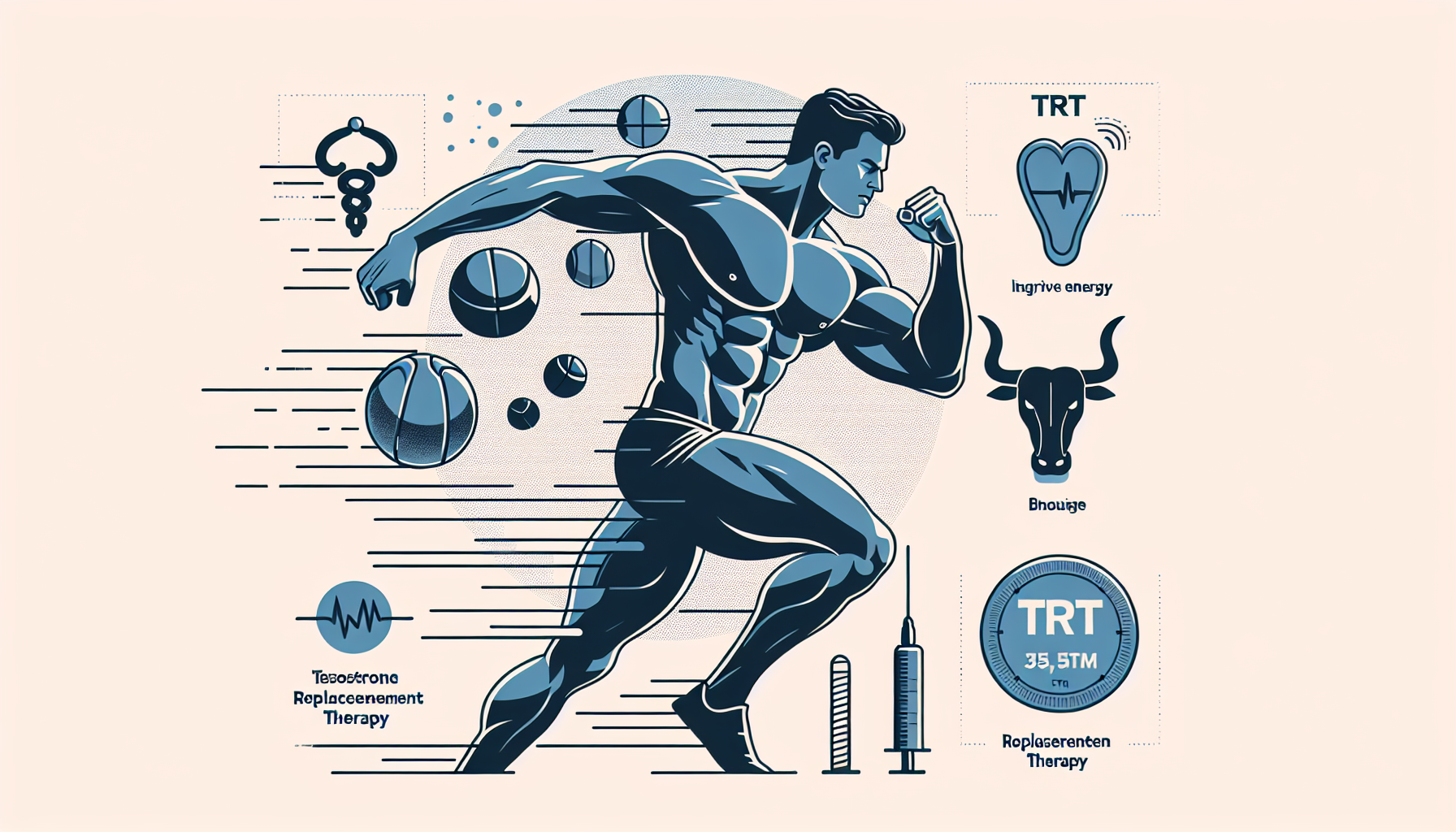
Low testosterone can feel like creeping fatigue, declining libido, and slow muscle loss that steals quality of life. Many men in California and beyond delay evaluation because symptoms develop gradually, or they assume aging is the only cause.
This guide explains how testosterone replacement therapy, combined with targeted interventions like HCG and lifestyle change, can restore energy and sexual function. It also walks through testing, treatment protocols, safety monitoring, and practical next steps to find care in California.
Recognizing low testosterone symptoms
Start with a checklist of common signs: erectile dysfunction, reduced morning erections, low sexual desire, persistent fatigue, increased body fat especially around the midsection, and less muscle mass. Mood changes such as irritability or depression often accompany physical symptoms.
Documenting symptom onset and severity helps clinicians decide if testing is appropriate. Bring a symptom diary to your appointment showing sleep patterns, libido changes, energy levels, and training history if you exercise.
How low testosterone is diagnosed
Diagnosis hinges on both symptoms and labs. A single low total testosterone is not enough; guidelines recommend at least two morning measurements taken between 7 am and 11 am on separate days.
Key labs to request include:
- Total testosterone – commonly, levels under 300 nanograms per deciliter suggest deficiency in many labs.
- Free testosterone or calculated free testosterone – useful if SHBG is abnormal.
- LH and FSH – to distinguish primary versus secondary hypogonadism.
- Prolactin, estradiol, SHBG, hematocrit, PSA – part of baseline safety and differential diagnosis.
California clinics often include a metabolic panel and fasting glucose to screen for comorbid conditions like insulin resistance that affect hormone health.
Common TRT protocols explained
There are several effective ways to administer testosterone. Your provider will tailor dose and route based on symptoms, labs, and personal preference.
- Injectable testosterone – testosterone cypionate or enanthate given intramuscularly or subcutaneously. Typical doses range from 50-200 mg per week, often split into two injections to stabilize levels.
- Transdermal gels – daily application with steady absorption. Gels allow fine dosing but require caution to avoid transfer to partners.
- Implants and pellets – less common, provide slow release over months and require minor office procedures.
Monitoring involves checking total testosterone, hematocrit, and estradiol at 4-12 weeks after starting or changing dose, then every 3-6 months once stable.
Role of HCG in TRT
Human chorionic gonadotropin, or HCG, mimics LH and stimulates testicular testosterone production. It is valuable in several scenarios.
- Men who want to preserve fertility can use HCG alongside TRT to maintain intratesticular testosterone and spermatogenesis.
- Men with secondary hypogonadism may respond to HCG alone and avoid exogenous testosterone long term.
- Typical dosing begins at 250-500 international units two or three times per week, adjusted based on response and semen analysis if fertility is a goal.
HCG can raise testicular size and improve sperm counts. Work with a reproductive-focused clinician if fertility is a priority.
Safety monitoring and common risks
TRT is safe for most healthy men when monitored. However, potential risks require active surveillance.
- Hematocrit increase – elevated red blood cell mass can raise clot risk. Providers check hematocrit at baseline and every 3 months early on. Therapeutic phlebotomy may be recommended if hematocrit exceeds 54 percent.
- Estradiol changes – testosterone converts to estradiol in fat tissue. Excess estradiol can cause breast tenderness or water retention. Providers may use aromatase inhibitors rarely or adjust dose.
- Prostate health – TRT does not cause prostate cancer but can increase PSA in men with existing disease. Baseline PSA and digital rectal exam are standard for men over 40 or with risk factors.
Always disclose sleep apnea, polycythemia, or active prostate cancer to your clinician, as these conditions affect candidacy and monitoring.
When to prefer clinic-based versus telehealth care in California
Telehealth services work well for follow-up care, symptom screening, and medication management. However, initial evaluations often require in-person labs and sometimes physical exams.
In California, many hybrid clinics offer same-day lab draws and local imaging. If you live near major metro areas like Los Angeles, San Diego, or the Bay Area, look for accredited clinics that perform on-site venipuncture and provide coordinated follow-up.
Lifestyle strategies to boost testosterone naturally
TRT works best when combined with evidence-based lifestyle measures. These interventions can boost endogenous testosterone and improve overall health.
- Resistance training – heavy, compound lifts 3 times weekly raise testosterone and maintain muscle mass. Aim for progressive overload and include squats, deadlifts, presses, and rows.
- Sleep – prioritize 7-9 hours per night with consistent timing. Poor sleep lowers testosterone and increases cortisol.
- Nutrition – maintain a protein intake of about 1.0 to 1.2 grams per kilogram, include healthy fats, and avoid highly processed foods. Correct vitamin D deficiency and ensure adequate zinc intake.
- Weight management – losing 5-10 percent of body weight in overweight men often raises testosterone significantly.
Combine these strategies with medical therapy for the best outcomes in energy, libido, and body composition.
What to expect during the first 3 months of TRT
Patients often report improved energy and mood within 2-6 weeks. Libido and erectile function may improve within 4-12 weeks, while changes in muscle mass and fat distribution emerge over 3-6 months with training.
Expect at least one dose adjustment based on labs, and be prepared for regular blood draws until your regimen stabilizes. Clear communication with your provider helps fine tune therapy while minimizing side effects.
Finding a qualified TRT provider in California
Look for clinicians with a board certification in endocrinology, urology, or family medicine who have specific experience in men s health and hormone therapy. Ask about their monitoring protocols for hematocrit, PSA, estradiol, and metabolic labs.
Verify that the clinic offers on-site labs or convenient lab partnerships, and confirm they have reproductive specialists if fertility is a concern. Read patient reviews for responsiveness and transparency on pricing and follow-up care.
Cost and insurance considerations
Insurance coverage for TRT varies. Many plans cover diagnostic labs but may not cover compounded formulations or certain brand medications. Expect out-of-pocket costs for initial evaluations, specialty labs, and ongoing medication if not covered.
Ask clinics for a clear pricing summary and whether they provide lab-only visits or telehealth options to reduce expense. Some California clinics offer membership pricing or bundled follow-up packages.
Frequently Asked Questions
How low does testosterone need to be to start TRT?
Most providers consider treatment when total testosterone is below 300 nanograms per deciliter alongside consistent symptoms. Decisions also factor in free testosterone, symptoms severity, and other health conditions. Providers often repeat morning labs to confirm persistent low levels before starting therapy.
Will TRT make me infertile?
Exogenous testosterone can suppress spermatogenesis by lowering LH and FSH, which may impair fertility. Using HCG alongside TRT or choosing HCG alone for secondary hypogonadism helps preserve sperm production. Men concerned about fertility should undergo semen analysis and discuss sperm banking prior to therapy changes.
How often should labs be drawn after starting therapy?
Initial labs are typically checked at 4 to 12 weeks to evaluate dose and again at 3 months. Once stable, monitoring usually occurs every 3 to 6 months for the first year, then at least annually. Monitoring includes total testosterone, hematocrit, estradiol, and metabolic markers.
Can lifestyle changes replace TRT?
Lifestyle interventions like resistance training, weight loss, adequate sleep, and nutrition can raise testosterone in men with mild deficiencies and improve symptoms. For many men with moderate to severe biochemical hypogonadism, lifestyle measures alone are insufficient. Combining lifestyle change with TRT offers the best symptom relief and health benefits.
Is HCG safe to use with TRT?
HCG is safe when used with medical supervision and helps maintain testicular function and potential fertility. Common dosing ranges from 250 to 500 IU two to three times per week, adjusted by response and lab results. Regular monitoring of testosterone, estradiol, and semen parameters is important when using HCG.
How do I choose between injections and gels?
Injections provide steady, cost-effective dosing and allow precise control over serum testosterone, while gels offer convenience and avoid needles. Gels risk transference to partners, so apply with care. Your lifestyle, cost concerns, and lab monitoring plan will guide the decision with your clinician.
If you suspect low testosterone, start with a symptom diary and obtain morning labs through your primary care or a men s health clinic. Together with a qualified provider, you can design a personalized plan that balances symptom relief, fertility goals, and long-term safety.
Finding care in California is easier when you prioritize clinics with transparent monitoring protocols and experience in TRT and HCG management. With proper diagnosis, protocol selection, and lifestyle support, many men regain energy, libido, and muscle function safely and effectively.