
Testosterone Replacement Therapy has made an impact in the medical field. Every male facing low testosterone, libido, issues like mood swings, mental health issues, and vitality can always opt for Testosterone Replacement Therapy (TRT). The treatment not just helps in regulating the normal levels of Testosterone but also helps in minimizing the symptoms of low testosterone. This treatment has shown improvement in a large population, but the real problem is not following a required diet.
There’s no second opinion that TRT cannot work without a stable diet and required supplements. If you believe that only a treatment can solve all of your problems, you are lacking the main objective, and that is to improve your health condition. Such changes require a good diet, routine, exercise, and much more. Together with all such changes, TRT can work better.
So, whether you’re already on TRT or planning to be on it, having the proper diet and routine is very important for you. This article will focus on what kind of supplements and diet are needed to support TRT naturally and what things you should avoid during this time.
Understanding TRT & Its Nutritional Connection
TRT consists of synthetic or bioidentical testosterone to elevate low levels of testosterone. However, hormones function within a complex ecosystem. Your dietary choices can either stabilise or damage the TRT effects on your body.
For instance, nutrient deficiencies (like zinc or vitamin D) can affect testosterone synthesis, while excessive sugar and alcohol can promote estrogen dominance. A balanced diet and supplementation ensure that your TRT journey enhances strength, vitality, and long-term wellness, not just lab numbers.
The Do’s: How to Support TRT Naturally
TRT can be supported naturally by taking the right diet in the correct quantity. You can follow the given steps to support TRT naturally:
1) Prioritize A Testosterone-Friendly Diet
Your diet forms the foundation of hormonal health. A testosterone-supportive eating plan focuses on nutrient-dense, whole foods that promote hormone balance, reduce inflammation, and support metabolic health.
A) Include Healthy Fats
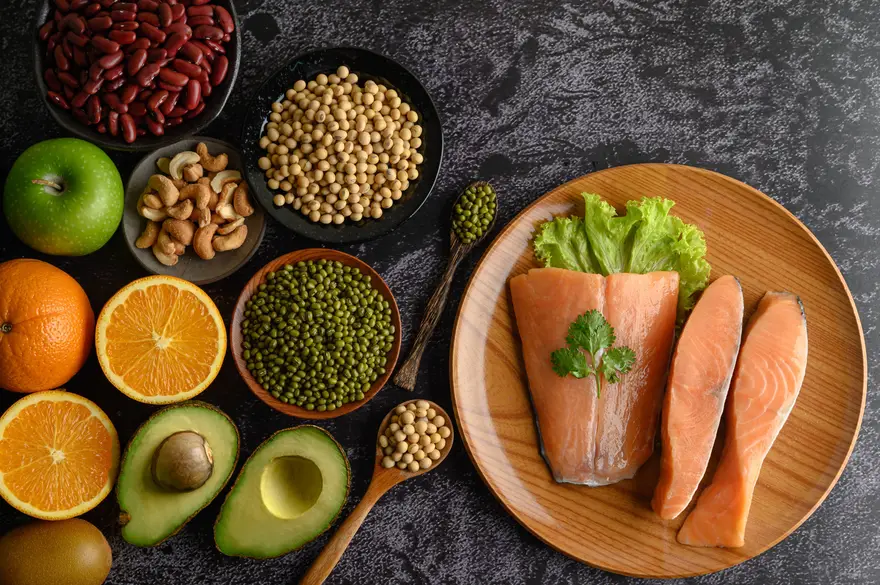
Dietary fats play a vital role in testosterone synthesis. Cholesterol acts as a precursor for testosterone production, so healthy fat intake is crucial.
Best sources:
- Avocados
- Olive oil
- Whole eggs
- Fatty fish (salmon, mackerel, sardines)
- Grass-fed meats and butter
Avoid trans fats and processed seed oils (like soybean or corn oil), which can increase inflammation and disrupt hormone balance.
B) Eat Enough Protein
Protein supports muscle repair and maintains a healthy body composition — both essential for optimal testosterone function. Include: lean meats, poultry, fish, eggs, Greek yogurt, legumes, and whey protein (if tolerated).
C) Choose Complex Carbohydrates
Carbs help maintain energy levels and reduce cortisol (a stress hormone that can suppress testosterone).
Good options include sweet potatoes, oats, quinoa, brown rice, and various fruits.
D) Focus on Micronutrients
Several vitamins and minerals directly support testosterone production:
- Zinc: essential for testosterone synthesis (found in oysters, beef, pumpkin seeds)
- Magnesium: supports free testosterone levels (in spinach, almonds, and dark chocolate)
- Vitamin D3: acts as a hormone precursor; sunlight exposure and fatty fish help
- B vitamins: aid energy metabolism and hormone regulation
2. Optimize Gut Health
A healthy gut microbiome improves nutrient absorption and regulates estrogen metabolism. Poor gut health can increase estrogen reabsorption, counteracting TRT’s benefits.
To improve gut health:
- Eat probiotic-rich foods (yogurt, kefir, sauerkraut)
- Include fiber-rich vegetables and prebiotic foods (onions, garlic, bananas)
- Limit processed foods and refined sugar
3. Stay Hydrated
Dehydration increases cortisol and hampers cellular metabolism. Water supports detoxification, muscle recovery, and optimal circulation — all essential for effective TRT outcomes. Aim for at least 3–4 liters of water per day, depending on activity level.
4. Support Liver Health
The liver metabolizes hormones, including testosterone and estrogen. Overburdening it with alcohol, processed foods, or medications can lead to poor hormone clearance.
To support liver function:
- Eat cruciferous vegetables (broccoli, kale, cauliflower)
- Drink green tea and lemon water
- Limit alcohol and sugar intake
5. Add Key Supplements
Supplements can complement TRT by filling nutritional gaps and supporting hormonal pathways.
A) Vitamin D3 + K2
Vitamin D3 enhances testosterone levels, while K2 ensures proper calcium metabolism and vascular health.
B) Zinc and Magnesium
Together, they promote testosterone synthesis, enhance sleep quality, and mitigate oxidative stress.
C) Omega-3 Fatty Acids
Omega-3s reduce inflammation, improve lipid balance, and enhance cardiovascular health, which is crucial when on TRT.
D) Ashwagandha
An adaptogenic herb that reduces cortisol, boosts testosterone naturally, and enhances energy and mood.
E) Boron
A trace mineral shown to increase free testosterone and decrease estrogen levels when taken in moderation.
F) DIM (Diindolylmethane)
Found in cruciferous vegetables, DIM helps balance estrogen metabolism — beneficial for men on TRT to prevent estrogen buildup.

The Don’ts: Things to Avoid for TRT
TRT can be saved by following a healthy and nutritious diet, but on the other hand, certain things should be avoided to avoid affecting TRT. These are:
1) Don’t Consume Overprocessed Food
You should not consume overprocessed food in large quantities. These are high in cholesterol and sugar. Overall, this can impact your testosterone levels and overall health. Majorly, this can result in weight gain, which is the biggest enemy of Testosterone.
2) Don’t Overdo Alcohol
Alcohol is harmful to liver and gut health. Consuming alcohol in higher amounts is an enemy of Testosterone and can significantly impact it. But if you are habitual of drinking, keep the amount moderate, that is only 2-3 drinks per week.
3) Don’t Neglect Sleeping
Sleep is crucial for every human body, not just the male one. So, with the right amount of diet, you also need the right amount of sleep. Don’t neglect sleeping due to any reason, it can be harmful in the long run.
4) Avoid Excessive Cardio or Exercise
While exercise is vital, long-term training can increase cortisol and suppress testosterone. Focus on balanced resistance training, moderate cardio, and proper recovery.
Lifestyle Factors that Enhance TRT Outcomes
Beyond taking a healthy diet and supplements, enhancing TRT also requires discipline in daily life. The following are certain lifestyle factors that help in regulating TRT positively:
1) Manage Stress: One of the foremost requirements of Lifestyle is to be stress-free. Though it’s not easy, it’s essential. Being happy releases happy hormones that are very helpful for your body and health.
2) Lift Weights Regularly: Focus on exercise and do resistance training that will support your health and body. It increases your Testosterone levels and enhances TRT results.
3) Take Sunlight: Sunlight is also essential for the body. It provides Vitamin D naturally and serotonin, which is crucial for balancing testosterone levels.
4) Maintain a Healthy Weight: Since you will avoid consuming junk and processed food, it will automatically impact your weight. Your body will remain healthy, and you won’t gain excess weight.
5) Have Regular Check-Ups: Having regular check-ups and TRT lab tests is another critical factor. Have regular check-ups, take necessary tests, and supplements that are prescribed by the doctors. Monitor testosterone, estrogen (E2), hematocrit, and liver enzymes every few months while on TRT.
Conclusion
Supporting TRT isn’t about changing your entire routine; rather, it’s about refining your health parameters at specific points. Taking a healthy diet, avoiding alcohol consumption, taking sunlight, the right supplements, and most importantly, having regular check-ups isn’t just necessary but a strong requirement of life.
Following all the dos and don’ts will hopefully help you out in protecting your health and securing it. Overall, with the proper diet and supplements, you can support your TRT naturally and with the right focus.
Frequently Asked Questions
Q1. Can diet alone increase testosterone enough to avoid TRT?
In some cases, yes — especially if low testosterone is caused by poor nutrition, obesity, or stress. However, clinically low testosterone often requires medical intervention. Diet can support, but not always replace, TRT.
Q2. Is it safe to combine supplements like ashwagandha and DIM while on TRT?
Yes, when used in moderate, recommended doses. Always consult your healthcare provider before combining supplements, as they may influence hormone metabolism or medication interactions.
Q3. How soon can I expect results from dietary changes while on TRT?
Most people notice improved energy and mood within 2–4 weeks, but body composition and libido changes may take 2–3 months of consistent effort.
Q4. Does caffeine affect testosterone levels?
Moderate caffeine intake can boost alertness and workout performance, but excessive caffeine may raise cortisol. Stick to 1–2 cups of coffee per day.
Q5. Should I cycle supplements like zinc or ashwagandha?
Cycling can prevent tolerance buildup. For example, take ashwagandha for 8–12 weeks, then break for 2–4 weeks. Zinc can be taken daily but not excessively (limit to 30 mg per day).