TRT stands for Testosterone Replacement Therapy, and they are the treatment option provided to men who have low testosterone. Usually, in males, the sexual glands stop producing hormones or produce them in a minimal amount; in this situation, to regulate their hormones, they are given the treatment of TRT. This condition usually occurs because of lifestyle and diet. Nowadays, low testosterone in men is a sign of their sedentary lifestyle, aging, poor diet, lack of sleep, and much more.
Overall, this situation leads to fertility issues in men and can cause significant issues in their relationships and personal growth. To deal with this less spoken but crucial topic, scientists and doctors have made significant discoveries to tackle such problems. One such solution is the Testosterone Replacement Therapy (TRT). In this blog, we will learn about this treatment, its benefits and risks, and most importantly, when you can take it. So, let’s get started!
Why is Lab Testing Important in TRT?
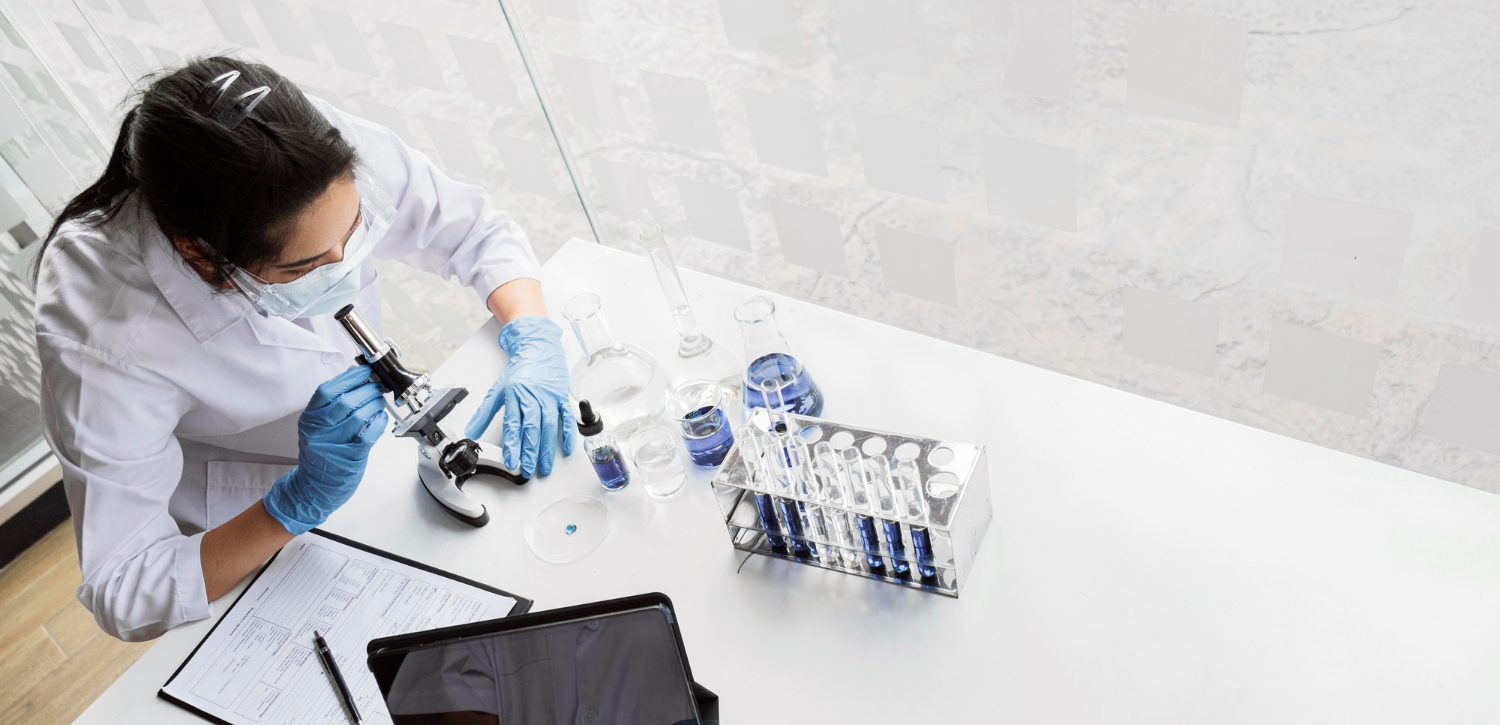
Starting the TRT without proper lab testing is similar to driving a car without a seatbelt. You would risk your life and would deal with severe consequences if you crashed. So, to track yourself to see whether you are on the right track, going wrong, or anything like that, the lab testing is essential for TRT. Majorly, the Lab testing serves three main purposes:
1) Establishing a Baseline: Before the TRT begins, the lab tests will help you understand if you really have low testosterone or if there is any other health condition prevailing. So, it’s important to understand that these medical tests are there for your own benefit.
2) Check on Progress: The tests will give you updates on whether your testosterone levels are in the required range or not. Based on that. Your treatment will take place.
3) Tracking Safely: The TRT can impact your Red Blood Cell (RBC) count, cholesterol, and prostate health. Testing will help to make sure that none of the side effects can take place.
Keeping all these three points in mind, you should opt for TRT. The tests are crucial and shouldn’t be skipped, whatever the reason may be. They are necessary for you in all aspects.
Essential Lab Tests for TRT
Here are some of the essential tests that are taken for Testosterone Replacement Therapy (TRT), and how they reveal:
1) Total Testosterone
This test measures how much Testosterone you have in your bloodstream. It is crucial because it confirms low testosterone before actually starting Testosterone Replacement Therapy (TRT). It will provide you with details about the levels of testosterone and whether or not you need the treatment for yourself.
2) Free Testosterone
This test tells you how much testosterone in your body is not bound by proteins and therefore is available for use in your body. This test is important for your body because it conveys that, though your body might have total testosterone as usual, it lacks free testosterone. So, the test will provide an accurate and clear picture of how much Testosterone your body can use.
3) Sex Hormone Binding Globulin (SHBG)
This test will provide you with details about a protein that binds to testosterone and affects how much free testosterone circulates. It is important for you because it tells that if the SHBG is high, it will impact your testosterone levels even if the total seems fine.
4) Liver Function Tests
The liver function tests, as suggested by name, are tests that are taken to know about the enzyme levels in your body and how well your liver is functioning. It is important because while TRT itself rarely damages the liver, some oral medications or other supplements might.
5) Thyroid Function Tests
The thyroid function tests showcase the levels of TSH, T3, and T4. This test is important because low thyroid function can mimic or worsen low testosterone symptoms. Balancing hormones requires a full picture, not just testosterone levels.
How Often Should You Get Your TRT Tested?
The frequency of lab testing can vary depending on your doctor’s approach, your overall health, and how you respond to TRT. That said, here’s a general timeline:
1) Before Starting TRT
- Baseline tests: Total testosterone, free testosterone, SHBG, estradiol, CBC, PSA, liver function, lipid panel, and thyroid hormones.
2) 3 Months After Starting
- Re-check testosterone, estradiol, CBC, PSA, and liver function to see how your body is adjusting.
3) 6 Months After Starting
- Repeat the same panel. This helps fine-tune dosage and ensures safety markers are stable.
4) Every 6–12 Months Ongoing
- Regular monitoring of testosterone, estradiol, CBC, lipid panel, and PSA. Frequency may increase if any values are concerning.
- Your provider may adjust this schedule based on your health. For example, if hematocrit rises too quickly, you may need CBC testing every 3 months until it stabilizes.
Benefits of TRT
TRT provides several benefits. These are:
- Improvement in Sexual Drive
- Lean Body Mass
- Bone Mineral Density
- Mood Swings
- Energy Levels
- Sense of Well Being
Side Effects of TRT
Though TRT provides certain benefits, it also has some severe side effects, which are:
- Acne or Oily skin
- Swelling in your ankles
- Smaller Testicles
- Decrease in sperm count
- Skin Irritation
What Happens if The Result is Off?
One of the biggest advantages of consistent testing is the ability to make timely adjustments. Depending on your results, your provider might:
- Lower your TRT dose if testosterone or estradiol is too high.
- Prescribe an aromatase inhibitor if estradiol levels rise excessively.
- Recommend phlebotomy (blood donation) if hematocrit climbs too high.
- Adjust lifestyle factors like diet, exercise, and supplements to balance lipids or liver function.
Wrap Up
TRT can be really life-changing when it is performed correctly, but it does require consistent monitoring through lab tests. These tests are like your safety net—confirming that your testosterone is optimized while protecting your cardiovascular, liver, and prostate health.
If you’re considering or are already on TRT, make sure to work with a qualified and experienced healthcare provider who specializes in regular lab work. Skipping tests may save a little time or money now, but it could cost you your health in the long run. Overall, TRT is great if done right!
FAQs
Q1 What lab tests are needed before starting TRT?
Total testosterone, free testosterone, SHBG, estradiol, CBC, PSA, lipid panel, and thyroid tests.
Q2 How often should I check my testosterone levels on TRT?
Typically at 3 months, 6 months, and every 6–12 months afterward.
Q3 Why is estradiol testing important during TRT?
To monitor estrogen conversion and prevent side effects like water retention or gynecomastia.
Q4 Can TRT affect my red blood cell count?
Yes, it can raise hematocrit levels, making CBC tests essential.
Q5 Does TRT increase prostate cancer risk?
No, But PSA tests help detect pre-existing prostate issues early.